

Sign Up And Receive Our Latest Updates!


Integrating Mindfulness into Adolescent Therapy: Techniques and Benefits
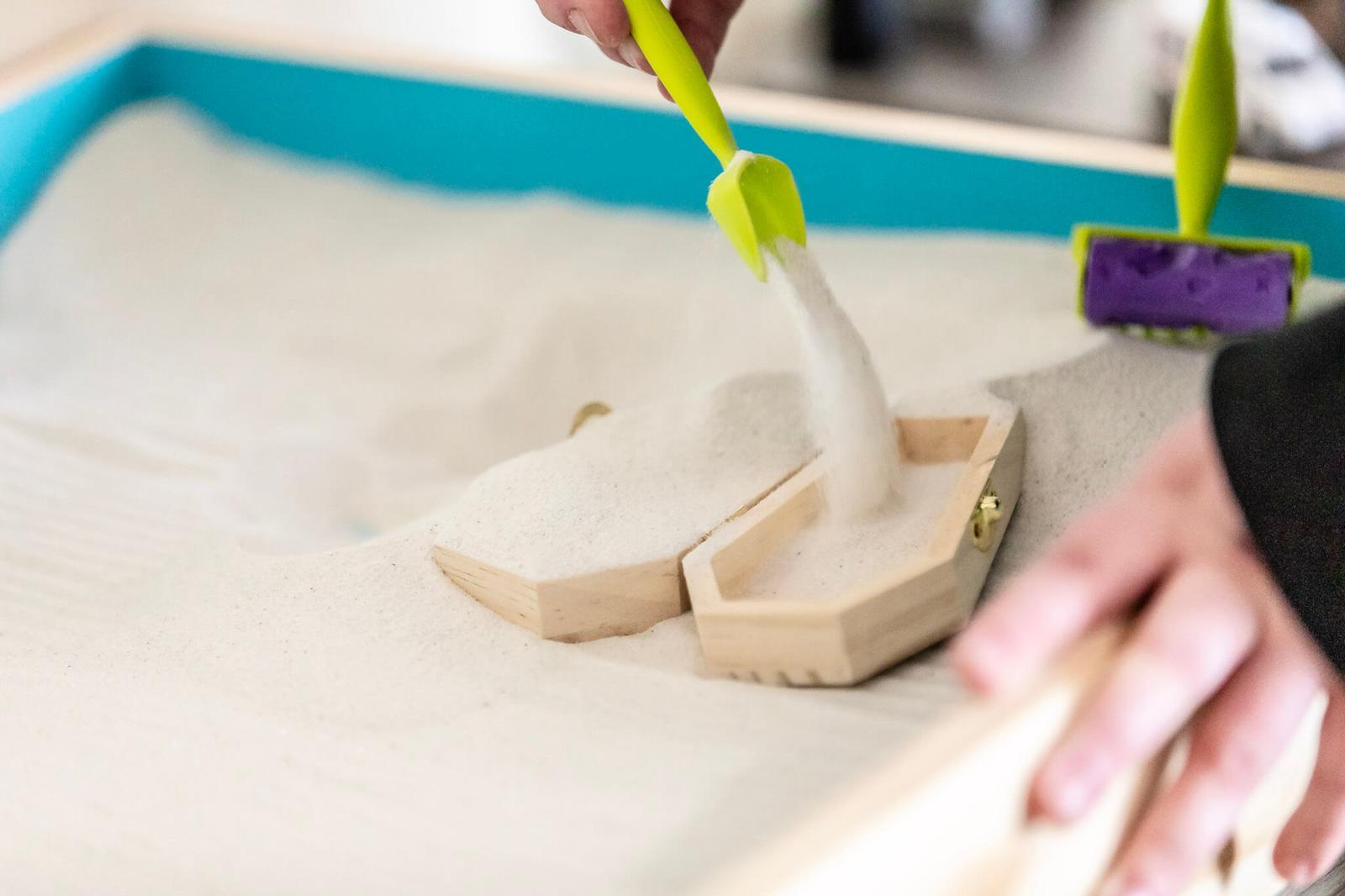
- Mindfulness teaches teens to notice their thoughts and feelings in the present moment without judging them.
- Short, concrete practices like grounding, mindful breathing and body scans tend to work best for adolescents.
- Mindfulness is a core skill in dialectical behavioral therapy and makes other approaches, such as CBT, easier to use.
- Mindfulness supports professional treatment but does not replace therapy, medication or clinical care.
- When parents learn the same skills, families can practice mindfulness together and reinforce progress at home.
When your daughter is struggling, her own mind can feel like a place she can't escape. Racing thoughts at bedtime, a wave of panic before school, an argument that goes from zero to sixty in seconds. You may have watched her try to "just calm down" and seen how impossible that feels in the moment.
Mindfulness offers a different starting point. Instead of asking a teen to stop feeling something, it teaches her to notice what's happening inside her, name it, and choose what to do next. At Imperial Healing House, mindfulness is woven into how we care for girls ages 12 to 17 in Provo, Utah, from therapy groups to the quiet minutes at the end of each day.
Here's what mindfulness looks like in adolescent therapy, the techniques that help teens most, and why it can make such a difference for girls and their families.
What Mindfulness Means in Adolescent Therapy
Mindfulness is the practice of paying attention to the present moment on purpose, without judging what you find. For a teenager, that might mean noticing a tight chest and shallow breathing before a hard conversation, rather than being swept away by it.
In a clinical setting, mindfulness isn't a relaxation trick or a replacement for treatment. It's a skill that supports the deeper therapeutic work. It's also a core part of dialectical behavioral therapy, where it serves as the foundation for distress tolerance, emotion regulation, and interpersonal effectiveness.
Teens are especially good candidates for this kind of skill building. The parts of the brain that help a person pause between a feeling and a reaction are still developing during adolescence, and mindfulness gives girls a way to practice that pause again and again.
Why Mindfulness Matters for Teen Girls
Many of the girls who come to us are dealing with anxiety, depression, trauma, self-harm, or school refusal. Different as these struggles are, they often share a common thread: overwhelming emotions that seem to arrive without warning.
Mindfulness helps a teen catch those emotions earlier. When she can recognize the first signs of anxiety or anger, she has more options than shutting down, lashing out, or turning to a harmful coping behavior.
It also gives her a gentler way to relate to herself. Plenty of teen girls carry a harsh inner critic. Learning to see a thought like "I'm a failure" as a thought, not a fact, can loosen its grip and open the door to real change in therapy.
For girls in our residential treatment program, these skills are practiced in a safe, supportive setting every day, which helps them become second nature.
Mindfulness Techniques That Work for Adolescents
Mindfulness for teens has to feel doable. The most helpful practices are short, concrete, and connected to situations girls actually face. Common techniques in adolescent therapy include:
Grounding exercises. The 5-4-3-2-1 technique asks a teen to name five things she can see, four she can touch, three she can hear, two she can smell, and one she can taste. It pulls attention out of spiraling thoughts and back into the room, and it can be done quietly anywhere, without anyone else noticing.
Mindful breathing. Slow, steady breathing, such as counting to four on the inhale and six on the exhale, signals to the body that it's safe to settle. It's simple enough to use in a classroom, a car, or the middle of a tense family conversation.
Body scans. Moving attention slowly from head to toe helps girls notice where they hold stress. For teens who feel disconnected from their bodies, this can be a gentle first step toward reconnecting.
Observe and describe. Drawn from DBT, this skill teaches a teen to describe an emotion the way a curious scientist might: "My face feels hot, my thoughts are racing, and I want to leave the room." Naming an experience often takes some of its power away.
Mindful movement. Yoga, stretching, and walking let girls practice awareness while they move, which many teens find easier than sitting still.
Creative mindfulness. Drawing, music, and journaling become mindful practices when the focus is on the process rather than the finished product.
How Mindfulness Strengthens Other Therapies
Mindfulness works best as part of a broader treatment plan. Think of it as the skill that makes the other tools in therapy easier to pick up and use.
In cognitive behavioral therapy, a girl learns to identify the thoughts that drive her feelings and behaviors. Mindfulness helps her notice those thoughts in real time, which is the first step toward questioning them. Without that awareness, unhelpful thoughts can run in the background and shape her mood before she realizes what's happening.
For girls healing from painful experiences, mindfulness can help build a sense of safety in the body. Turning attention inward can feel uncomfortable at first for trauma survivors, so in trauma-focused therapy these practices are introduced carefully, at each girl's pace, and always with a trained therapist's guidance.
Mindfulness shows up in creative work, too. In expressive arts therapy, focusing on color, sound, or movement can help a teen reach feelings that are hard to put into words.
The Benefits of Mindfulness for Teens and Families
Every girl's progress looks different, and mindfulness isn't a cure on its own. Still, research and clinical experience suggest that regular practice can support meaningful benefits for adolescents:
Calmer responses to stress. With practice, teens can create a little more space between a trigger and their reaction.
Improved focus. Paying attention on purpose is a skill that carries over into schoolwork and conversations.
Healthier self-talk. Girls learn to notice harsh thoughts without automatically believing them.
Smoother relationships. When a teen can pause before reacting, family conversations tend to go better for everyone.
These benefits don't belong to the teen alone. When parents learn the same language and skills, the whole family can practice together. Our Parent DBT classes give parents a chance to learn the skills their daughters are building, so home becomes a place where those skills are reinforced instead of forgotten.
Mindfulness in Everyday Life at Imperial Healing House
At Imperial Healing House, mindfulness isn't confined to a single session each week. It's part of the rhythm of daily life in our home.
Our evening routine includes time for mindfulness and winding down, giving girls a calm, predictable way to close the day. Wellness activities like yoga offer another chance to practice awareness through movement. And because our home has only 16 beds, our staff can notice when a girl is having a hard moment and help her reach for the skills she's learning, right when she needs them.
For families who need structured support while their daughter lives at home, our day treatment program offers therapy and academics on weekdays with the same licensed therapists who work in our residential program. Skills learned during the day can then be practiced at home in the evenings.
Help Your Daughter Build Skills for a Calmer Mind
Mindfulness won't make hard feelings disappear, and it isn't meant to. What it can do is give your daughter steady ground to stand on when emotions run high, so she can make choices that move her toward healing.
If you're wondering whether our approach is right for your family, we're here to talk it through. Contact our team to ask about our programs, check your insurance benefits, or schedule a tour of our home in Provo. If your daughter is in immediate danger, call 911, or call or text 988 to reach the Suicide & Crisis Lifeline.
Related Questions
Is mindfulness the same as meditation?
Not exactly. Meditation is one way to practice mindfulness, but mindfulness can also happen during everyday activities like eating, walking, or talking with someone. For many teens, short and active practices work better than long periods of seated meditation.
Can mindfulness replace medication or therapy for my teen?
No. Mindfulness is a supportive skill, not a stand-alone treatment for conditions like depression, anxiety, or trauma. Any decision about medication should be made with your daughter's prescribing provider, and mindfulness works best alongside professional care.
How long does it take for mindfulness to help?
Some teens feel a small sense of relief the first time they try a grounding or breathing exercise. Lasting changes, like responding to stress more calmly, usually build gradually with regular practice and support.
What if my daughter says mindfulness feels awkward or pointless?
That's a common reaction, especially at first. A skilled clinician can adjust the approach, try shorter or more active practices, and connect the skill to goals that matter to her, which often makes it feel far more relevant.

About Imperial Healing House
Imperial Healing House is a residential treatment center with a home environment for adolescent females ages 12-18. Our typical students have a history of trauma, anxiety, depression and other mental health issues. Imperial House is built around pillars of therapeutic support, academic success, tailored nutrition, creative and personal development.

Continue Reading
Discover more about the benefits of Residential Treatment Centers, the modalities used here at Imperial Healing House, and more.


